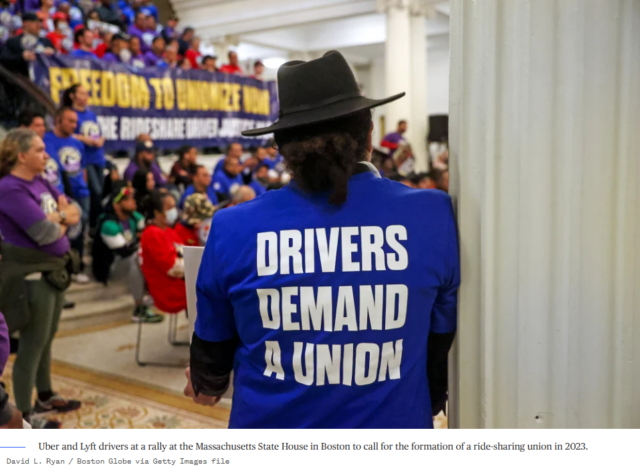
Unionized: Massachusetts just changed the driver conversation
|
|
Why It Matters For NEOver the past few months, transportation providers have already faced growing pressure around compliance, oversight, and audit-readiness, from Minnesota's NEMT crackdown to multi-state enforcement actions, and now federal Medicaid revalidation orders. Pressure is building somewhere else too: Drivers. Credentialed, reliable drivers are already one of the biggest operational bottlenecks in transportation. Replacing one can take weeks of recruiting, screening, onboarding, and compliance checks before the first completed trip. The operators that retain drivers long-term likely won’t just be the ones with the fastest routing. They'll be the ones that reduce friction for drivers daily.
|
|
What Operators Should WatchAs transportation becomes more digital, drivers naturally compare onboarding, communication, flexibility, and payout visibility across every platform they use, then carry those expectations from one operator to the next. That's why expectations are shifting toward: - Faster onboarding
- Better payout visibility
- More flexible scheduling
- Less fragmented communication
- Easier access to trips across networks
That shift is already influencing where drivers choose to work, who they stay with, and which platforms they trust long term. That matters even more in New York. New York operates under some of the country’s most aggressive transportation oversight. The state already licenses more than 80,000 active for-hire vehicle drivers through the TLC, alongside increasing scrutiny across Medicaid transportation programs and broker accountability standards. If Massachusetts is the test case, New York may not be far behind.
|
|
Three questions worth asking about your fleet- Does driver onboarding still take more than a week?
- Are drivers in the dark on trip and payout details until after the fact?
- Is communication between dispatch, payroll, and drivers currently fragmented?
When a driver leaves, trips get redistributed or refused. Coverage gaps grow. Broker relationships feel the impact.
|
|
Losing a driver now may cost more than losing a trip.For years, operational efficiency was measured in minutes per dispatch, miles per trip, and on-time percentage. Now, driver experience is no longer separate from operational performance. It's becoming the same conversation. And the fleets that are slow to adapt may start feeling it first in retention, trip fulfillment, and coverage. If you answered yes to any of the questions above, reply "yes" to this email. We'll share what we're seeing across operators tackling this now.
|
|
|
Not part of Darter yet? Try it for free.
Easy to set up. No cost to start.
|
|
|
Questions about our features or want guidance on best practices? Reach us at support@darter.ai
|
|
|