What Top Fleets Do Differently in 2026
|
|
|
Not all fleets are operating the same way anymore.
Some are still dispatching manually, reacting to problems as they come up. Others are running tighter operations, completing more trips with the same number of drivers, and keeping costs predictable.
The difference is not size. It is how they operate.
|
|
1. They Reduce Decision Load for Dispatchers.
Dispatchers are no longer expected to manually plan every move. Top fleets use systems that surface the best next actions, whether it is assigning a trip, adjusting a route, or filling a gap in the schedule. Less guesswork means: - Faster assignments
- Fewer late pickups
- More consistent performance across shifts
|
|
2. They Focus on Utilization, Not Just Volume.
More trips do not always mean more profit. What matters is how efficiently each driver’s time is used. Top fleets pay close attention to: - Idle time between trips
- Gaps in the middle of the day
- Underused vehicles
They optimize for completed trips per driver hour, not just total bookings.
|
|
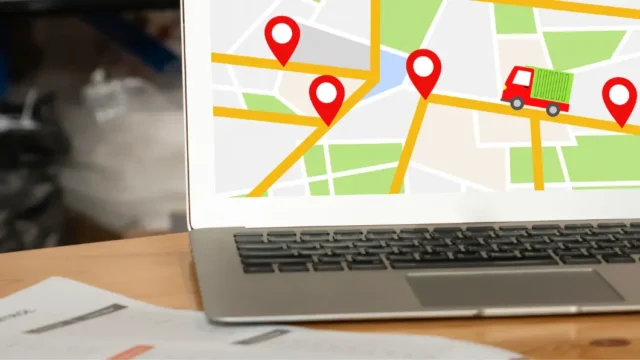
3. They Use Real-Time Data, Not Static Plans.Routes planned in the morning rarely hold by midday. Traffic changes. Trips get added. Schedules shift. Top fleets rely on systems that adjust in real time, helping dispatchers make decisions based on what is happening now, not what was planned earlier.
|
|
4. They Treat Routing as a Cost Lever.Routing is no longer just about getting from point A to B. It directly impacts:
- Fuel usage
- Driver time
- On-time performance
- Trip completion rates
Smarter routing reduces unnecessary mileage and helps keep operations predictable.
|
|
5. They Collaborate Instead of Turning Work Away.When demand spikes or dips, top fleets do not absorb all the pressure internally. They share or take on trips based on capacity, keeping vehicles moving instead of letting time go to waste.
This allows them to:
- Maintain higher completion rates
- Reduce idle time
- Capture revenue that would otherwise be lost
|
|
Where This Leaves Everyone Else?
The gap between manual and system-driven operations is widening. Fleets that continue to rely on manual dispatch and static routing will find it harder to keep up on cost, efficiency, and service quality.
Those that adopt smarter tools are not just improving operations. They are reshaping how dispatch works entirely.
If you are looking at how to operate more efficiently in 2026, it starts with reducing manual work and making better informed decisions, faster.
|
|
|
Not part of Darter yet? Try it for free.
Easy to set up. No cost to start.
|
|
|
Questions about our features or want guidance on best practices? Reach us at support@darter.ai
|
|
|